
Reiki Energy Sessions: What to Expect from Your Visit
- Jacob Schultz
- Jan 26
- 4 min read

Reiki energy sessions have gained popularity as a holistic approach to wellness, offering a unique way to promote relaxation, reduce stress, and enhance overall well-being. If you're considering your first visit to a Reiki practitioner, you might be wondering what to expect. This guide will walk you through the process, helping you feel prepared and informed for your session.

Understanding Reiki
What is Reiki?
Reiki is a form of energy healing that originated in Japan in the early 20th century. The term "Reiki" translates to "universal life energy," and it is based on the belief that this energy flows through all living things. Practitioners use gentle touch or work just above the body to channel this energy, promoting healing and balance.
How Does Reiki Work?
During a Reiki session, the practitioner acts as a conduit for energy. They use their hands to transfer healing energy to the recipient, helping to clear blockages and restore balance. This process can lead to a deep sense of relaxation and well-being.
Preparing for Your Session
Finding a Practitioner
Before your session, it's essential to find a qualified Reiki practitioner. Look for someone who is certified and has positive reviews. You can ask for recommendations from friends or search online directories.
What to Wear
Comfort is key during a Reiki session. Wear loose, comfortable clothing that allows you to relax fully. You may be lying down for an extended period, so choose something that feels good against your skin.
Setting Intentions
Before your session, take a moment to reflect on what you hope to achieve. Whether it's stress relief, emotional healing, or physical discomfort, setting an intention can enhance your experience.
What to Expect During Your Session
Arrival and Consultation
When you arrive for your Reiki session, the practitioner will likely greet you and ask about your health history and any specific concerns. This is a great time to share your intentions for the session.
The Environment
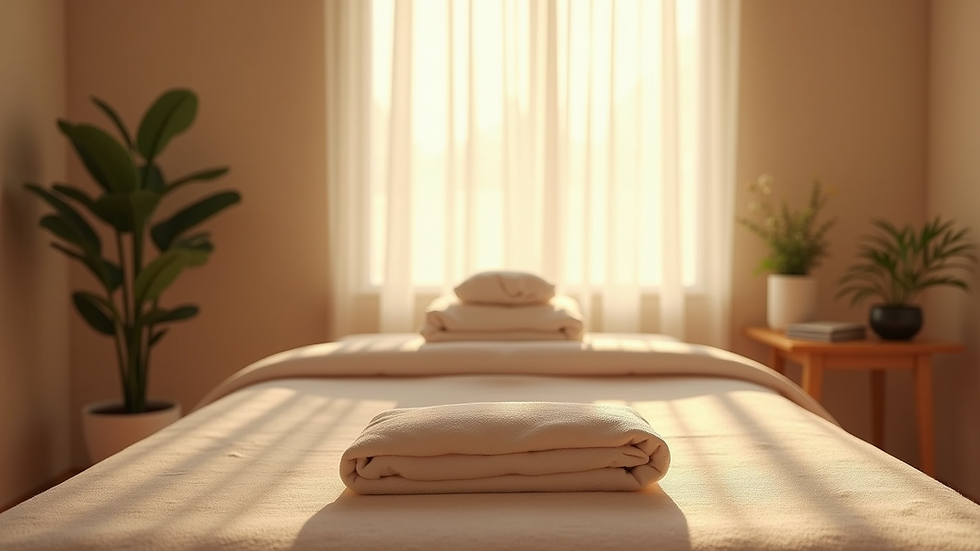
Reiki sessions typically take place in a calm, quiet environment. Practitioners often use soft lighting, soothing music, and aromatherapy to create a peaceful atmosphere. This setting is designed to help you relax and focus on your healing.
The Session Process
Lying Down: You will be asked to lie down fully clothed on a massage table.
Relaxation: The practitioner may begin with a brief relaxation technique, such as deep breathing, to help you settle in.
Energy Transfer: The practitioner will place their hands lightly on or just above your body. You may feel warmth, tingling, or a sense of calm as the energy flows.
Duration: Sessions typically last between 60 to 90 minutes, depending on your needs and the practitioner's approach.
Sensations During the Session
Everyone's experience with Reiki is unique. Some common sensations include:
Warmth: Many people feel a gentle warmth radiating from the practitioner's hands.
Relaxation: A deep sense of relaxation is often reported, sometimes leading to sleep.
Emotional Release: It's not uncommon to experience emotions during a session, which can be a part of the healing process.
After Your Session
Post-Session Reflection
After your session, take a moment to reflect on your experience. You may want to journal about any feelings or sensations that arose during the session. This can help you process the experience and integrate the healing.
Hydration
Drinking water after a Reiki session is essential. It helps to flush out any toxins released during the energy transfer and keeps you hydrated.
Follow-Up
Consider scheduling follow-up sessions if you found the experience beneficial. Regular Reiki sessions can enhance your overall well-being and support your healing journey.
Benefits of Reiki
Stress Reduction
One of the most significant benefits of Reiki is its ability to reduce stress. Many people report feeling a profound sense of peace and relaxation during and after their sessions.
Emotional Healing
Reiki can help address emotional issues by promoting self-awareness and emotional release. It can be particularly beneficial for those dealing with anxiety, depression, or trauma.
Physical Healing
While Reiki is not a substitute for medical treatment, many individuals find it helpful for managing pain and promoting recovery from illness or injury.
Common Misconceptions About Reiki
Reiki is a Religion
Reiki is not a religion; it is a healing practice that can complement any spiritual belief system. It does not require any specific beliefs or rituals.
Reiki is Only for the Sick
Reiki is beneficial for everyone, regardless of their health status. Many people use it as a preventive measure to maintain balance and well-being.
Reiki is a Quick Fix
While some may experience immediate relief, Reiki is often most effective when practiced regularly. It is a holistic approach that supports long-term health and wellness.
Conclusion
Reiki energy sessions offer a unique opportunity for relaxation and healing. By understanding what to expect, you can approach your first session with confidence and openness. Whether you're seeking stress relief, emotional healing, or simply a moment of peace, Reiki can be a valuable addition to your wellness routine.
Take the next step in your healing journey by scheduling a session with a qualified practitioner. Embrace the experience and allow the energy to flow, supporting your path to well-being.

Comments